How hidden the leak is
A leak at a visible fitting is a repair call. One inside a wall behind tile in a Tribeca loft, with three possible sources above it, is a detection job that takes instruments and time.
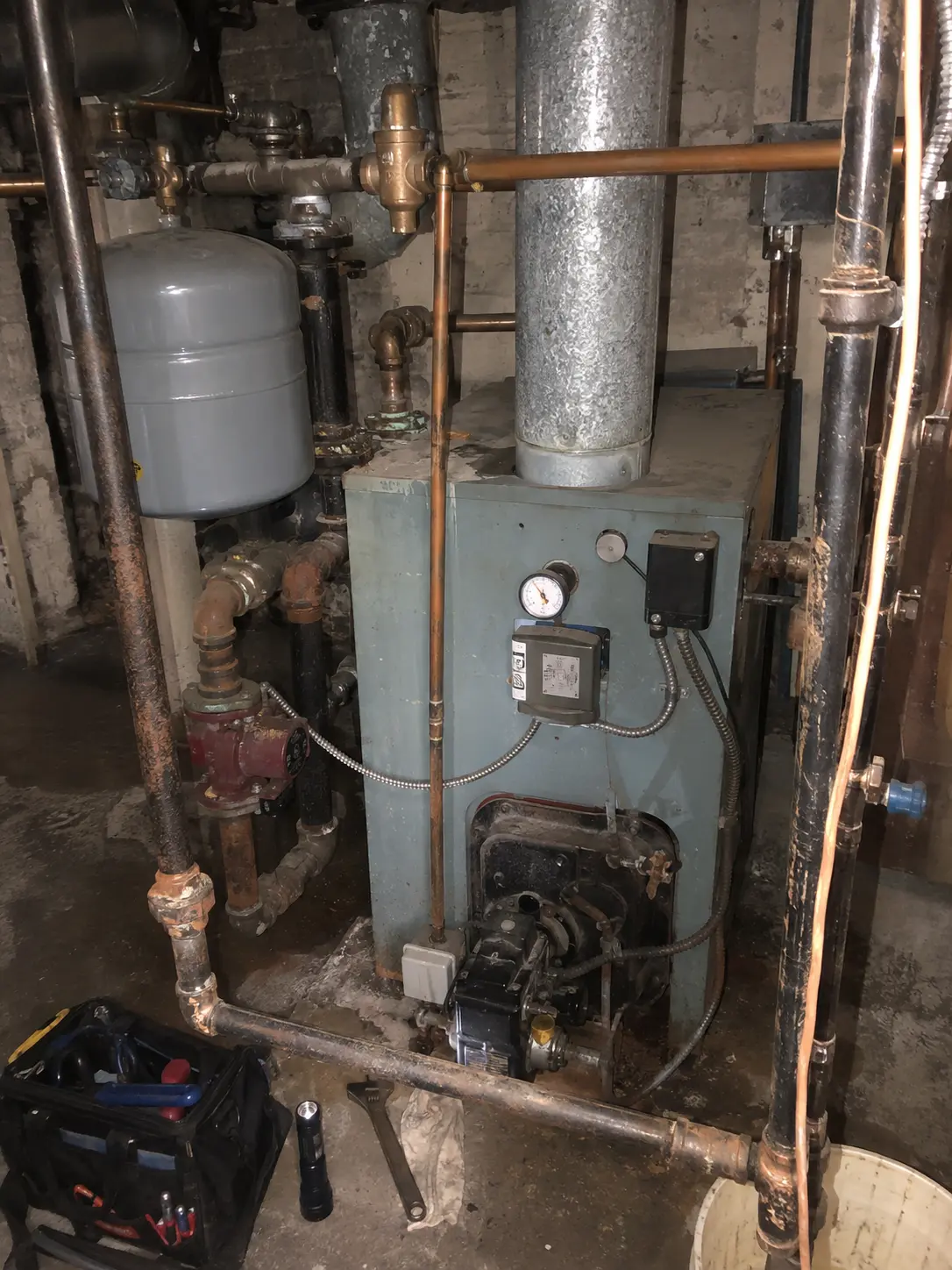
A ceiling stain with no obvious source, a water bill that doubled, a wet spot that will not dry - licensed leak detection plumbers who find it without tearing the apartment apart.
Confidential · Emergencies get a call back within minutes, everything else the same day
Precise leak detection in NYC from NYC Plumber Co. Found with instruments, opened in one place, fixed, and written up for the building.
NYC Plumber Co locates hidden water leaks in apartments, brownstones, co-ops, condos and commercial buildings across the five boroughs. Acoustic listening, thermal imaging, moisture mapping and pressure testing narrow the leak to a spot before anyone opens a wall. Then we fix it and document it for your board, your management company or your insurer. Call (929) 717-4784 or request a free estimate.
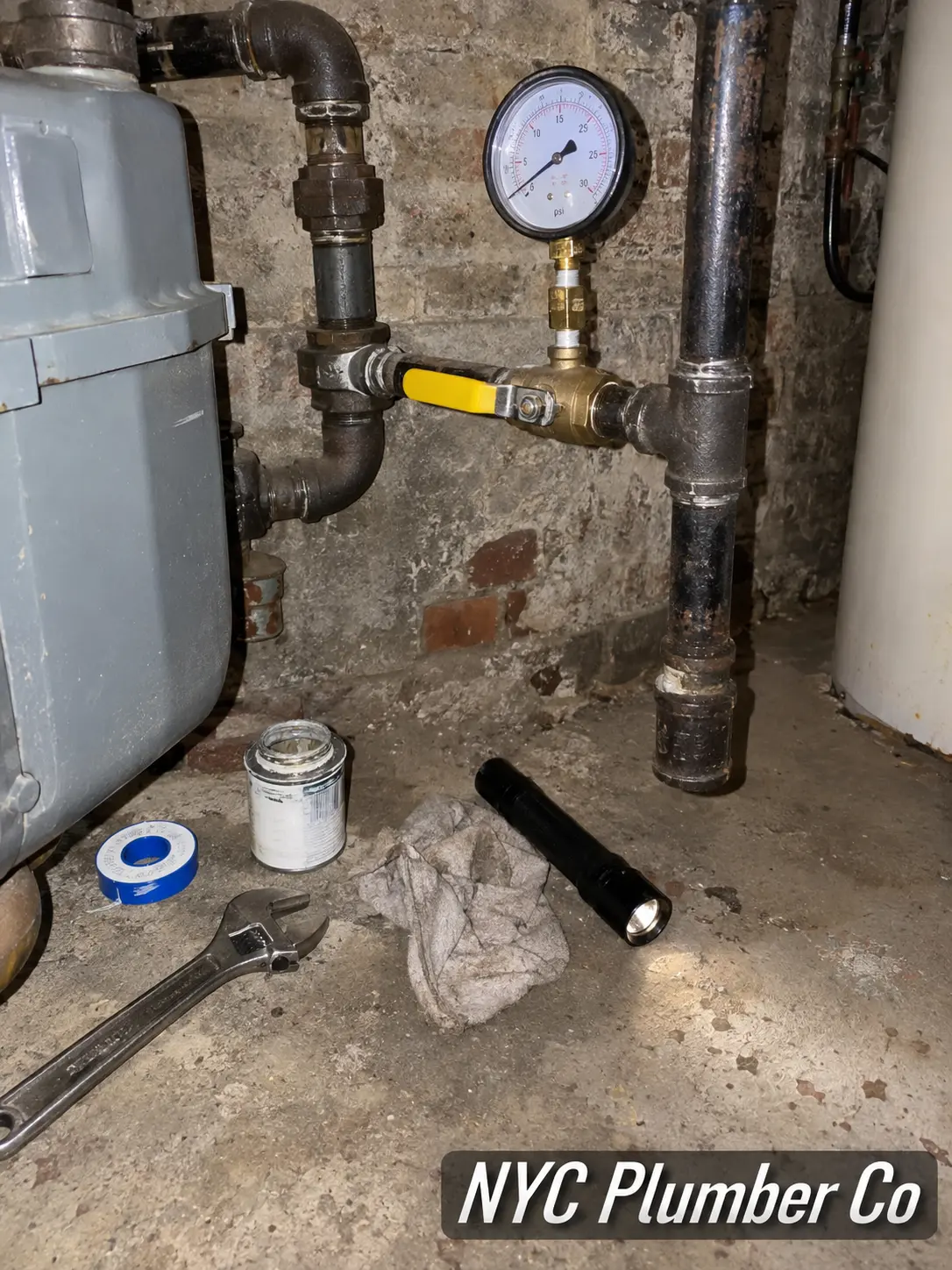
A leak in a New York City building is a puzzle with a lot of suspects. The water on your ceiling could be your upstairs neighbor's tub drain, the riser that serves both of you, a shower pan two floors up, a roof drain, a heating pipe, or condensation off a cold water line in a warm chase. The wet spot is rarely under the leak. Water runs along joists and pipes and shows up where it feels like it.
NYC Plumber Co finds it with instruments before anyone picks up a saw. Acoustic equipment hears pressurized water escaping inside a wall. Thermal imaging shows the cold track of a supply leak or the warm bloom of a heating line. Moisture meters map how far it has traveled. Pressure tests on the supply and a dye test on the drains tell us which system is guilty. The result is one opening in the right place, which in a co-op with a plaster wall and a marble floor is the whole point.
Then we repair it. Riser leaks, supply line leaks, drain and stack leaks, shower pan failures, leaks at fixtures that only show under load. And we write it up, because in this city a leak between two apartments is also a question of who pays, and boards and insurers want a licensed plumber's findings.
The history
When it started, whether it changes with the weather, with the neighbor's showers, with the heat coming on. Half the diagnosis is in the pattern.
Visual and moisture mapping
Meter readings across the ceiling, walls and floors to trace how far the water has traveled and where it is freshest.
Isolate the system
Meter check and pressure test on the supply. Dye and flow test on the drains and fixtures upstairs. Roof, HVAC and radiator lines ruled in or out.
Instrument location
Acoustic listening on pressurized lines, thermal imaging for temperature tracks, a camera in the drains when the waste side is suspect.
Confirm before opening
We mark the spot, explain what we expect to find, and get your go-ahead and the building's before any opening.
Open and repair
The smallest opening that lets us do the work. Copper, brass, galvanized, cast iron, PEX - repaired or replaced with the right transition fittings so it does not come back.
Report and close
Photos before and after, what failed and why, the repair performed, and a written report for the management company or insurer. The opening is left ready for the plasterer.
Riser and branch leaks. The vertical supply lines serving a column of apartments, and the branches off them. Pinholes in old copper, corroded galvanized threads, a solder joint that finally let go behind the kitchen wall. These show up in the apartment below the leak and are the classic co-op dispute.
Drain and stack leaks. A cast iron stack cracked along the seam, a lead bend under a toilet that split, a trap arm that rotted through. These leak only when water runs, which is why the stain grows after the neighbor's shower and dries by evening.
Shower pan and tile failures. The pan under a tiled shower fails, or the waterproofing behind the tile does. Water finds the ceiling below every morning. Confirmed with a flood test with the drain plugged.
Slab and under-floor leaks. Radiant heating lines, supply lines under a ground-floor slab in a Queens or Bronx house, a heating loop in a converted basement. Thermal imaging is the tool here.
Fixture and appliance leaks. A dishwasher supply, a fridge water line, a toilet supply valve that weeps, a tub overflow gasket. Small, slow, and expensive by the time the floor below notices.
A leak at a visible fitting is a repair call. One inside a wall behind tile in a Tribeca loft, with three possible sources above it, is a detection job that takes instruments and time.
Testing the neighbor's fixtures, the riser, the stack and the roof takes access to multiple units and coordination with the super. That is scheduling, and sometimes an extra visit.
Once found, the fix is priced separately. A pinhole in copper is short work. A riser section replacement across two apartments is a bigger pipe repair with shutoff notices and a work window.
A verbal answer is included. A written report with photos for a co-op board, a management company or an insurance claim is a line item, and it earns its keep when there is a dispute.
Active leaks dripping into a light fixture or pooling on a floor are emergency plumbing calls at the after-hours rate. A stain that has been there a month can be scheduled.
Kitchens over kitchens, baths over baths, all sharing risers and stacks in one chase. The leak is in the chase. Which floor is the question, and the instruments answer it.
Prewar walls do not open cheaply, and co-op alteration rules may govern even a small hole. Finding the spot first is the only way to keep the opening small.
Domestic supply, heating lines, a roof tank fill, sprinkler mains in commercial buildings, HVAC condensate. Each one gets ruled in or out with its own test.
In most co-ops and condos the riser and the stack are the building's, and the branch after the shutoff is the owner's. Our report says where the leak was, which is what settles the bill.
A yellow ring on the ceiling is water that has been there a while. Waiting turns a repair into a ceiling replacement and a mold problem.
In a metered building or a house, a jump with no change in habits means a running toilet or a leak somewhere. Both are cheap to find early.
Toilet and faucet supply lines and the angle stops behind them fail with age. Ten years is a fair life for a braided line under a sink nobody looks at.
Most apartment leaks come from above. A quick conversation with the neighbor about a new shower habit or a recent renovation shortens the search.
The wall opens once, where the instruments say the leak is.
Access to neighboring units, the super's shutoffs, the certificate of insurance and any alteration approvals handled ahead of the visit.
Correct materials and transition fittings, pressure tested before the wall closes, and no temporary patch sold as a permanent fix.
Findings, photos and the repair in writing, addressed to whoever needs it.
Ceiling stain, damp wall, water bill jump anywhere in the five boroughs? Call (929) 717-4784 and a leak detection plumber from NYC Plumber Co will find it.
The wet spot is almost never under the leak. Water travels along a joist for eight feet and drips where it wants. We follow it back with instruments instead of a sledgehammer.
NYC Plumber Co
Our leak detection plumbers cover every neighborhood below. Choose yours for local building notes and response times.
Riser, supply and stack repair once the leak is found.
Active leaks stopped any hour.
Leaks at the base, the tank and the supply.
Shower valves, tub drains and fixture leaks.