Which drain
A single sink or tub is the low end. A stack serving a column of apartments or a building main line is more time, a bigger machine and usually a camera.
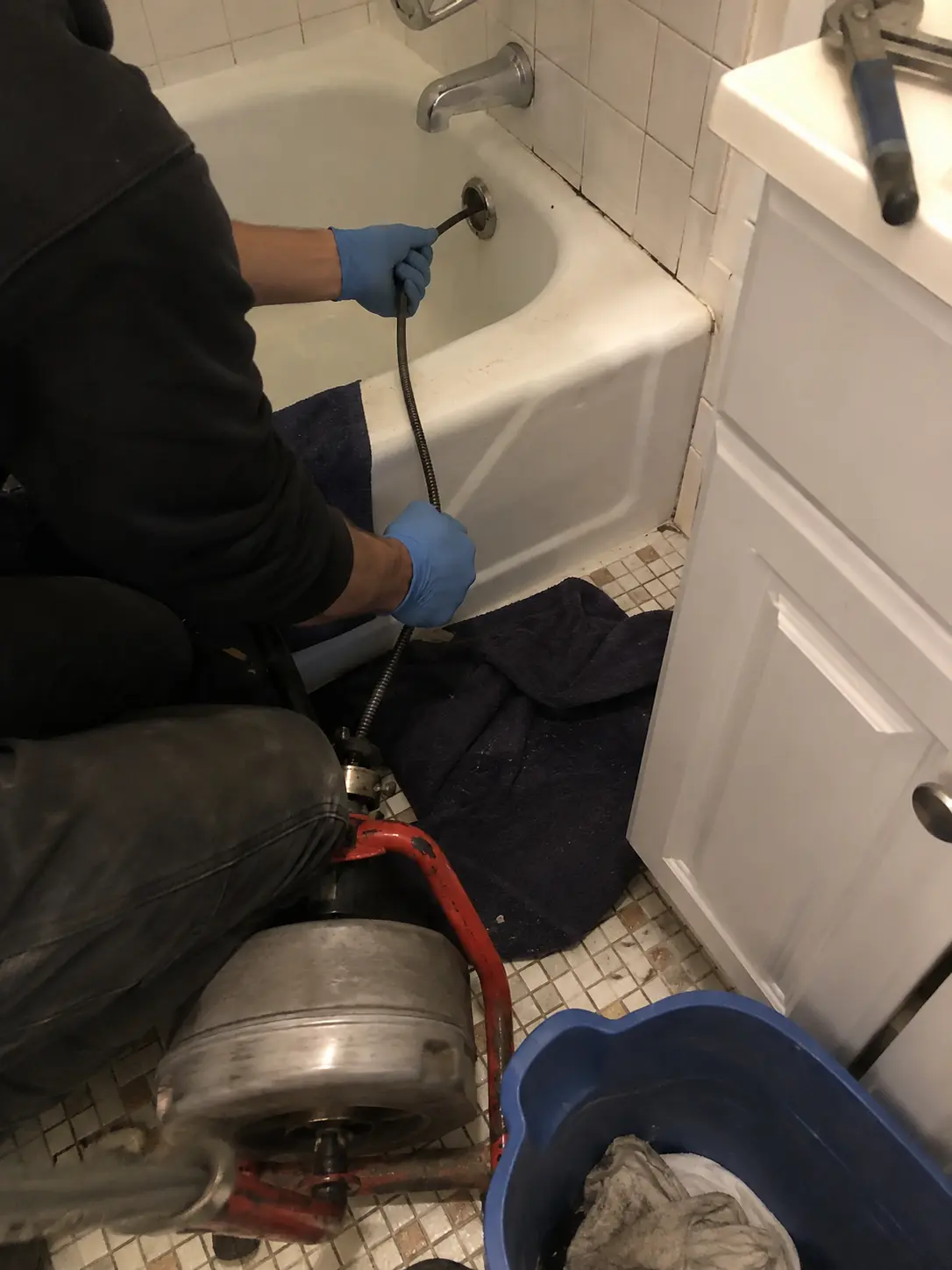
Slow sinks, standing showers, a stack that backs up into the apartment below - licensed drain cleaning plumbers with cables, jetters and cameras across NYC.
Confidential · Emergencies get a call back within minutes, everything else the same day
Professional drain cleaning in NYC from NYC Plumber Co. Cleared the same day, with the cause found so it stays cleared.
NYC Plumber Co cleans kitchen, bathroom, laundry, floor and main line drains in apartments, brownstones, restaurants and multifamily buildings across the five boroughs. We snake, jet and camera the line, and we tell you what was in it. Call (929) 717-4784 or request a free estimate.
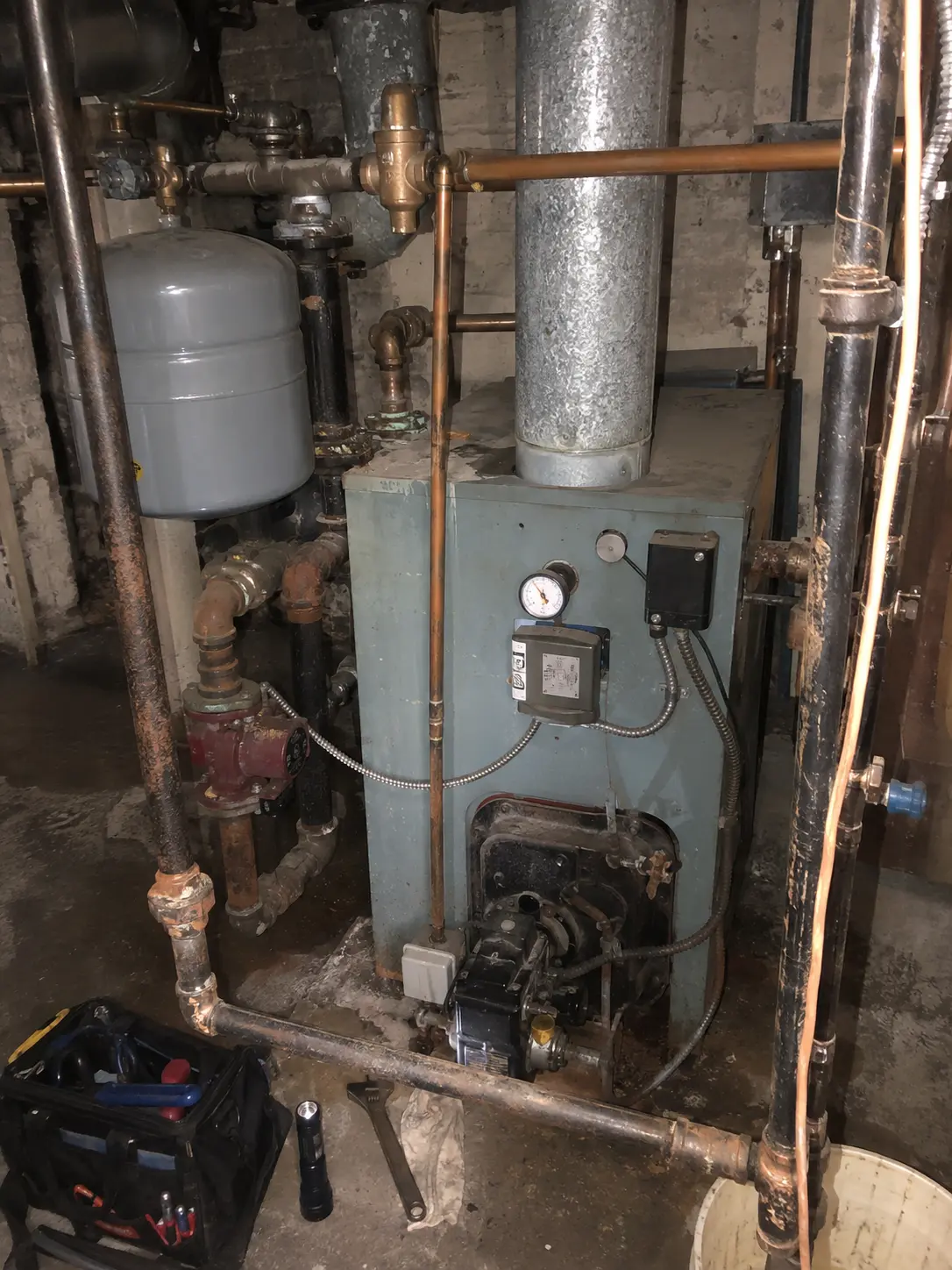
The drains in New York City are old, shared and abused. A kitchen line in a prewar building on the Upper West Side is a two-inch galvanized pipe that has carried 90 years of grease, coffee grounds and whatever the last tenant thought was fine to pour down. It ties into a cast iron stack that serves every kitchen in that column. When it slows, it slows for six apartments. When it stops, the lowest one gets the water.
NYC Plumber Co cleans drains the way that pipe requires. Cable machines with the right heads for grease, hair and scale. A hydro jetter for building main lines and recurring stack clogs that a cable only pokes a hole through. A camera to look at the pipe after it is clear, because a clog that comes back every two months is a symptom, and the pipe usually has something to say about it.
We clean drains in walk-ups and doorman buildings, in restaurants that cannot close, in basements that flood when the washer runs. Most residential clogs are cleared in one visit. We say so on the phone when it sounds like something bigger.
What is slow and where
Sink, tub, shower, toilet, floor drain, or everything at once. One fixture is a branch line. Everything on one floor is usually the stack. The whole building is the main. The answer changes the machine we bring.
Access
We find the cleanout - in the basement, behind an access panel, at the base of the stack, or on the roof. In apartments without one we go through the trap arm or pull the trap.
Clear it
Cable with the right head for what is in there. Grease gets a cutter, hair gets a retriever, scale in old cast iron gets a chain head or the jetter.
Check the flow
Water run at full volume at every fixture on the line. A drain that drains is the test.
Camera when it matters
Recurring clogs, main lines, anything that felt wrong on the cable. We record the run and show you what the pipe looks like inside.
Written findings
Grease, roots, a belly, a broken section, a wrong-way fitting from a past renovation. If the pipe needs pipe repair or sewer line repair, you get that priced separately.
Cleanup and advice
Trap reinstalled, floor dried, cleanout capped, and a straight answer on how long this should hold and what to stop putting down there.
Kitchen sinks. Grease is the whole story. It goes down hot, cools in the pipe, and builds a lining that catches everything else. Garbage disposals make it worse, and in a lot of prewar co-ops they are banned for exactly this reason. We cut through it and, on bad lines, jet it back to bare pipe.
Tubs and showers. Hair and soap, wrapped around the crossbar of the drain or packed into the trap. In old buildings the tub drain is a drum trap under the floor with a lead line into the stack, and it clears differently from a modern P-trap.
Toilets and bathroom lines. A toilet that flushes slow in every unit on the line is the stack. One that backs up alone is a clog in the trap or the closet bend. Toilet repair covers the fixture. Drain cleaning covers the line behind it.
Floor drains, area drains and laundry lines. Basement floor drains in Queens and Brooklyn houses surge when the washer dumps. Area drains outside a below-grade entrance fill with leaves and silt. Both are early warnings for the main.
Building main lines and house connections. The big pipe from the base of the stacks to the city sewer. Roots, grease from every kitchen, a belly holding water, a partial collapse. We jet, camera and, when the pipe is done, hand it to our sewer line repair crew.
Commercial kitchens. Grease traps and interceptors, floor sinks, dish lines. Restaurants in Greenwich Village and the Financial District call us because we come after close. Our commercial plumbing team sets up recurring jetting so the health inspector never sees a backed-up floor drain.
A single sink or tub is the low end. A stack serving a column of apartments or a building main line is more time, a bigger machine and usually a camera.
A cable clears most residential clogs. Hydro jetting costs more, takes longer and scours the pipe wall back to bare metal, which a cable does not do. On main lines and recurring problems it is the better spend.
A cleanout at the base of the stack is easy. A line that has to be reached from the roof, or through a trap inside a finished vanity, takes longer.
Added when it earns its place: recurring clogs, main lines, anything that felt wrong on the cable. Priced as its own line so you decide.
A drain backing up into an apartment at night is an emergency plumbing call at an after-hours rate. A slow sink can wait for a scheduled visit and should.
Rough inside, scaled, narrowed with age. A cable head that works fine in PVC will hang up in 80-year-old cast iron. We match the tool to the pipe and go slow near the end of its life.
Prewar tubs and sinks often drain through lead bends and drum traps that a heavy cable can puncture. We know where they are and we work around them.
Kitchens moved during a past renovation, tied into the stack with a flat run, a saddle tee, or a fitting installed backward. These clog on schedule and show up on camera. We tell you what we found and what fixing it would take.
Your clog is often the neighbor's grease. In co-ops and rentals the stack belongs to the building. We document which line and where, so the management company can handle the cost side.
Into a can, into the trash. Hot water and dish soap do not carry it past the trap. This one habit prevents most of the kitchen calls we get.
A three-dollar hair catcher outlasts a plumber visit. Empty it weekly.
They sit in standing water, eat old pipe from the inside, and make the plumber's job dangerous. A slow drain gets a call instead.
Main lines and kitchen stacks in multifamily buildings do well with jetting on a schedule, once a year or every two, well ahead of the 2 AM backup. Supers and managers set this up with us.
Slow drains and clogs get a window today or tomorrow. Backups get moved up.
What was in the line, what it looked like on camera if we ran one, and whether it is a habit problem or a pipe problem.
Cables, jetter, camera and a plumber who has run them through prewar cast iron a few thousand times.
Floors covered, traps reinstalled properly, cleanouts capped, no cable scars on the vanity.
Slow sink, standing shower, floor drain surging anywhere in the five boroughs? Call (929) 717-4784 and a drain cleaning plumber from NYC Plumber Co will clear it.
A clog that comes back every eight weeks is the pipe telling you something. Put a camera in it once and stop paying to hear the same story.
NYC Plumber Co
Our drain cleaning plumbers cover every neighborhood below. Choose yours for local building notes and response times.
Camera diagnosis, lining and replacement to the city main.
Clogs, running toilets and full replacements.
Backups and flooding handled any hour.
Grease traps, floor drains and scheduled jetting.